
Understanding Bóc Ép Plastic Hải Dương
Bóc ép plastic, an innovative method used in the plastic industry, plays a significant role in manufacturing and design. This technique, primarily utilized in Hải Dương, Vietnam, offers a unique approach to enhance plastic products’ aesthetics and durability. When exploring options, bóc ép plastic hải dương provides comprehensive insights into efficient and effective practices that cater to specific industry needs. Understanding its principles and advantages can significantly impact production quality and efficiency.
What is Bóc Ép Plastic?
Bóc ép plastic, or plastic lamination, involves encasing materials in a thin layer of plastic to improve their durability and appearance. This process often includes thermal bonding, where heat is applied to fuse the plastic layer with the underlying material. Commonly used in various sectors, from packaging to construction, bóc ép plastic enhances the longevity of products while simultaneously offering them an attractive finish.
Key Benefits of Bóc Ép Plastic Techniques
The bóc ép plastic technique presents numerous advantages:
- Durability: The plastic layer acts as a barrier against moisture, dirt, and physical wear, extending the lifespan of the underlying material.
- Aesthetic Appeal: Products can be finished with various textures and colors, attracting consumers and enhancing brand recognition.
- Cost-effectiveness: By improving product lifespan and reducing the need for replacements, businesses can save significantly in the long run.
- Flexibility: The technique can be applied to a wide range of materials, allowing for diverse applications across industries.
Applications in Various Industries
Bóc ép plastic finds its applications in multiple sectors, demonstrating its versatility:
- Packaging: Ensures products remain fresh and undamaged during transit.
- Construction: Used in wall panels and flooring to enhance resistance against environmental conditions.
- Automotive: Applied to dashboards and interior aesthetics, providing a polished look while increasing durability.
- Consumer Goods: Utilized in electronics and home appliances for protection and visual appeal.
Advanced Materials Used in Bóc Ép Plastic
Types of Plastics Ideal for Bóc Ép
The choice of plastic materials is critical for successful bóc ép. Polyethylene (PE) and Polypropylene (PP) are among the most common choices due to their flexibility and resistance to moisture. Additionally, Polyvinyl Chloride (PVC) is favored for its durability and ease of printing, making it a suitable option for branding.
Impact of Material Quality on the Process
High-quality materials are essential for ensuring that the bóc ép process yields optimal results. Inferior plastics may lead to poor adhesion, compromising the durability of the final product. Therefore, it is vital to source quality materials that meet industry standards.
Future Innovations in Plastic Materials
As sustainability becomes a crucial focus, innovations in biodegradable plastics and eco-friendly laminates are emerging. These materials are designed to reduce environmental impact while maintaining the benefits of traditional plastics. Industry leaders are researching and developing materials that can offer both performance and eco-friendliness.
Techniques and Equipment for Bóc Ép Plastic
Essential Machinery for the Bóc Ép Process
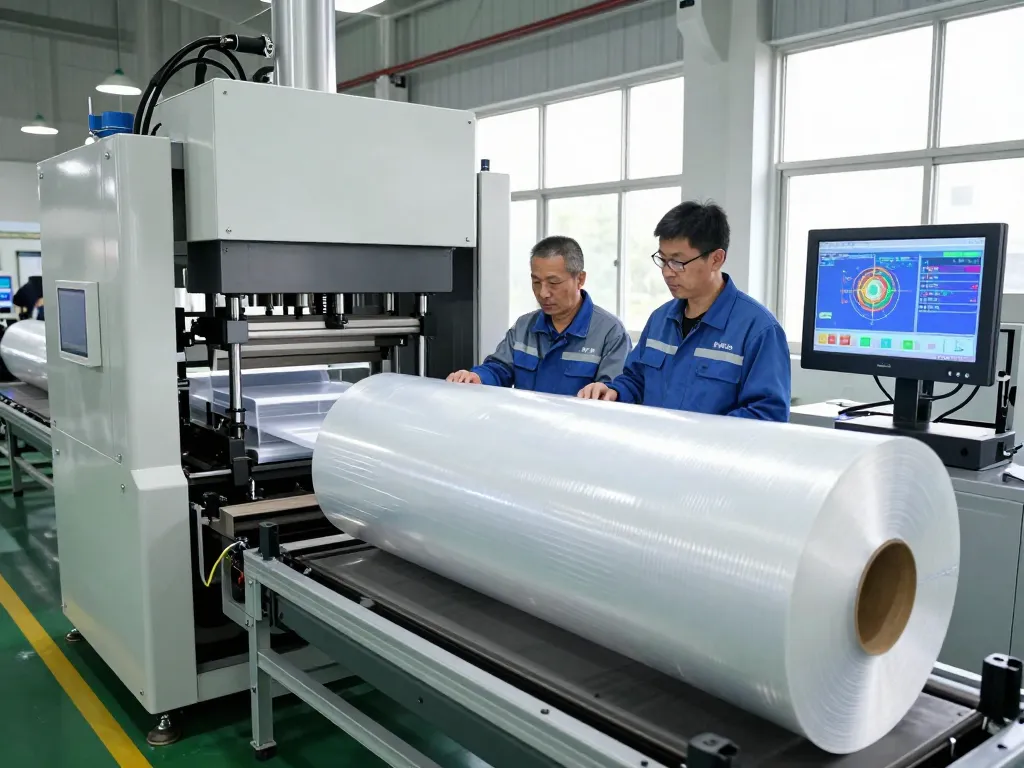
The bóc ép process requires specialized machinery, including laminators that apply heat and pressure to bond layers together. Advanced technology, like digital control systems, enhances precision, improving overall product quality. Selecting the right equipment is paramount for achieving the desired results.
Best Practices for Operating Equipment
Operating bóc ép machinery requires adherence to best practices to ensure safety and efficiency. Regular maintenance is crucial to prevent breakdowns and extend the equipment’s lifespan. Additionally, staff should receive thorough training to handle machines effectively and safely.
Safety Protocols in Plastic Manufacturing
Safety is a top priority in plastic manufacturing. Implementing strict safety protocols helps mitigate risks associated with machinery operation, chemical exposure, and fire hazards. Regular audits and staff training can foster a safe working environment, ensuring compliance with industry regulations.
Quality Control in Bóc Ép Plastic Manufacturing
Measuring Success: Key Performance Indicators
Establishing Key Performance Indicators (KPIs) is essential for measuring the success of bóc ép plastic operations. Metrics such as production efficiency, defect rates, and customer satisfaction provide insights into the process and areas for improvement.
Common Quality Issues and Resolutions
Quality issues may arise during the bóc ép process, including bubbles, peeling, or inconsistent finishes. Identifying the root causes, whether due to material quality or machine settings, is vital for effective resolution. Implementing regular quality checks can catch these issues early, preventing widespread defects.
Implementing Continuous Improvement Strategies
Continuous improvement strategies, such as Six Sigma or Lean Manufacturing, can enhance bóc ép processes significantly. By fostering a culture that encourages feedback and iterative improvements, organizations can increase efficiency, reduce waste, and ultimately boost profitability.
Future Trends in Bóc Ép Plastic Industry
Predicted Developments Through 2026
As the industry evolves, several trends are expected to shape the future of bóc ép plastic through 2026. Automation and artificial intelligence will likely play pivotal roles in streamlining processes and enhancing quality control. These technologies promise to increase production rates while minimizing human error.
Environmental Considerations in Plastic Bóc Ép Practices
Environmental sustainability will be a significant concern moving forward. With increasing pressure from regulators and consumers, the bóc ép plastic industry may pivot towards sustainable practices, including the use of recyclable materials and energy-efficient machinery. Companies adopting eco-friendly approaches may gain competitive advantages in the marketplace.
Technological Advancements Shaping the Future
Emerging technologies, such as 3D printing and nanotechnology, are set to revolutionize the bóc ép plastic processes. These advancements will allow for more intricate designs and greater customization options, meeting the diverse needs of consumers while pushing the boundaries of what can be achieved in plastic manufacturing.