
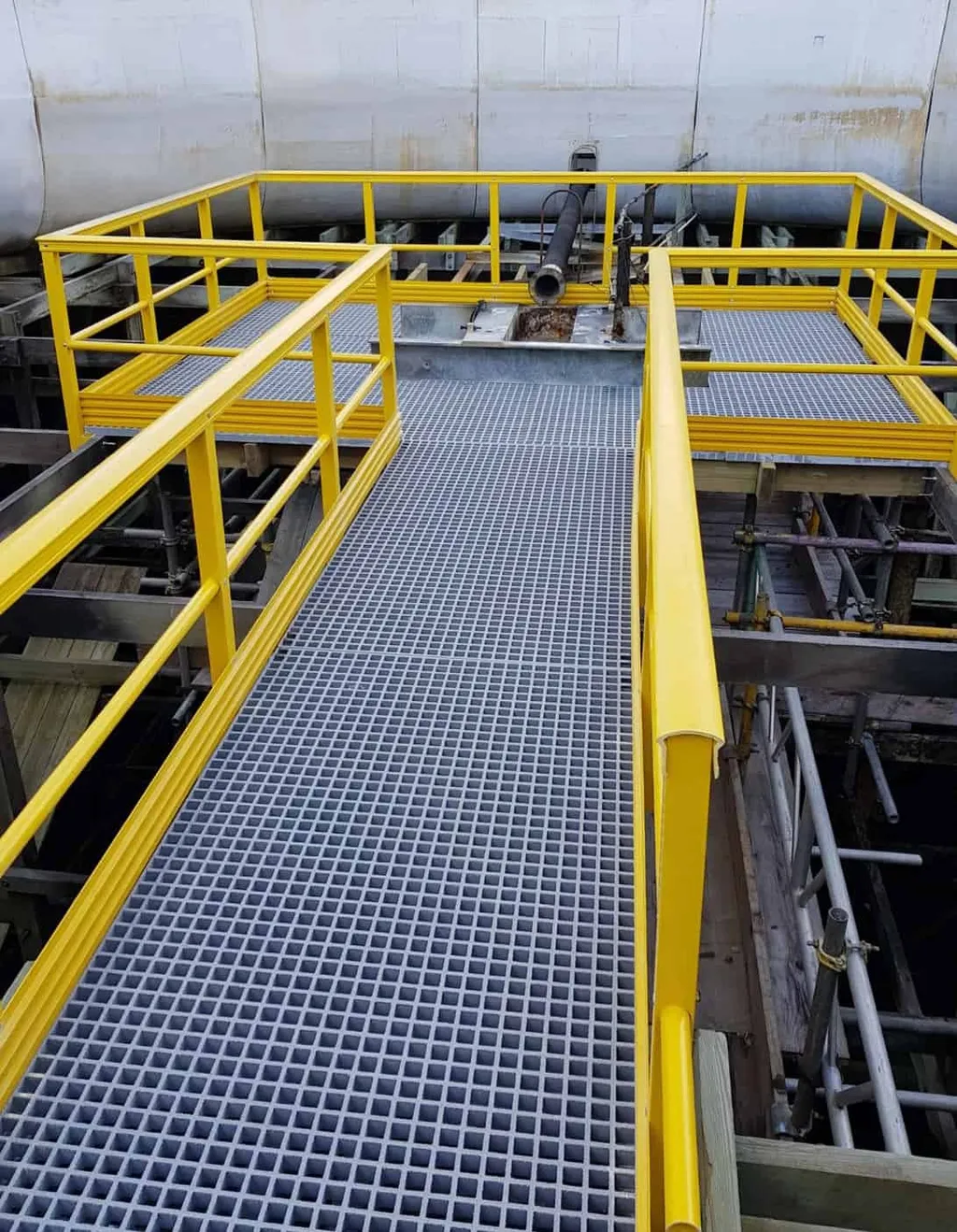
Glass fibre and resin are combined in a controlled factory setting. This creates a strong composite material for industrial use. A GRP Manufacturer produces panels, profiles and platforms that meet site needs. Steel and other metals often suffer from corrosion in wet or chemical environments. GRP avoids that problem. The material stays light enough for simple handling. It still carries heavy loads without issue. Electricity cannot pass through the finished product. Project teams select it for safety and long service life. Careful process control decides the final quality. Engineered Composites operates as a GRP Manufacturer with many years of production experience.
How GRP Parts Are Made
Glass strands form the main source of strength. Resin fills the spaces and holds the fibres together. Continuous pultrusion pulls the mix through a heated die. This creates long profiles with accurate shapes. Larger panels are made in open moulds. Fibre mats are laid in first. Resin is then added and allowed to soak through. Heat or time hardens the material. The direction of the fibres controls how loads travel. Resin amount must match the design requirements. Finished parts are checked for size and strength. A reliable GRP Manufacturer follows these steps on every batch.
Strength and Durability Features
The surface does not rust even in salt air. Chemicals cause only limited surface change. Weight is about one quarter that of similar steel sections. Site teams can move parts without large lifting equipment. Impacts cause temporary bending then full recovery. Fire-rated grades slow the spread of flames in buildings. Outdoor weather leaves the exterior stable for many years. Simple cleaning keeps the surface in good condition. Owners see fewer unexpected repairs. These features reduce the total cost of ownership over decades.
Where GRP Gets Used
Rail projects use it for walkways and edge barriers. Power sites install fencing that carries no electricity. Water treatment plants fit platforms that resist chemical splash. Marine docks choose decking that handles salt water. Temporary works rely on frames that can be moved easily. Data centres prefer non-metallic cable supports. Security areas take solid panels that need little care. Each of these locations benefits from longer gaps between maintenance. Engineered Composites serves as GRP Manufacturer for all these applications. Custom sizes and finishes are supplied when standard stock is not suitable.
Standards That Apply
British standards set the minimum strength for structural parts. Floor systems must prove they grip well when wet. Production runs under ISO quality systems. Rail contracts need RISQS approval. Defence work passes JOSCAR requirements. Every batch can be traced to the fibre and resin used. Independent laboratories check the test results. Regular audits keep all records up to date. These controls protect the end user. A consistent GRP Manufacturer keeps full documentation available.
How to Choose a Supplier
Long production experience shows real ability. Direct control of the process keeps quality high. Large stock levels reduce waiting times. Ability to make special shapes solves difficult site problems. Clear technical notes help match the right grade to the job. Valid certificates remove uncertainty for designers. Delivery covers the whole country on set schedules. Support after delivery answers fitting questions quickly. Engineered Composites meets these requirements as an active GRP Manufacturer. Steady quality leads to repeat orders.
Cost Savings Over Time
Initial cost often sits close to that of coated steel. Labour on site falls because the material is light. Crane hire becomes rare. Painting and corrosion repairs leave the annual budget. Service life commonly exceeds fifty years. Transport uses less fuel with lighter loads. Emergency repairs become uncommon. Total project cost falls by a clear amount over the full period. Managers of coastal and chemical plants notice the biggest difference. A practical GRP Manufacturer can show these savings with data from earlier jobs.
Environmental Advantages
Lighter freight reduces fuel used in transport. Longer service life cuts the need for replacements. No protective coatings wash into soil or water. Options for recycling used parts continue to grow. Full carbon assessments often favour the composite over steel. Continuous production keeps energy use efficient. Scrap material is sorted and handled properly. Clients meet environmental targets with less extra work. Engineered Composites includes these practices in normal operations. Future regulations will favour materials that already perform this way.
Final Thoughts
Choosing the right GRP Manufacturer affects results for decades. Fibre layout and resin mix decide the real strength. Certificates reduce later risk. Full-life cost figures show the true savings. Sites with corrosion or electrical risks gain the most. Good advice at the start prevents wrong choices. Steady factory control keeps quality high. Demand for durable low-maintenance parts continues to grow. A proven GRP Manufacturer supplies components that protect both safety and budgets. Engineered Composites keeps that goal central to every order.
FAQs
What makes a capable GRP Manufacturer?
Direct production under certified systems and sector approvals forms the base. Full tracking of materials gives clear proof of quality. Practical notes on grades and installation complete the service.
How does GRP perform better than steel in harsh conditions?
It resists rust and chemical damage while staying much lighter. No electricity flows through the material. Maintenance stays low across long service years.
Which industries order most from a GRP Manufacturer?
Rail, power, water treatment, marine and construction form the main demand. Chemical and coastal sites avoid the repeated failures of metal. Secure and data facilities also choose the material for safety reasons.