Understanding Microalgae Astaxanthin
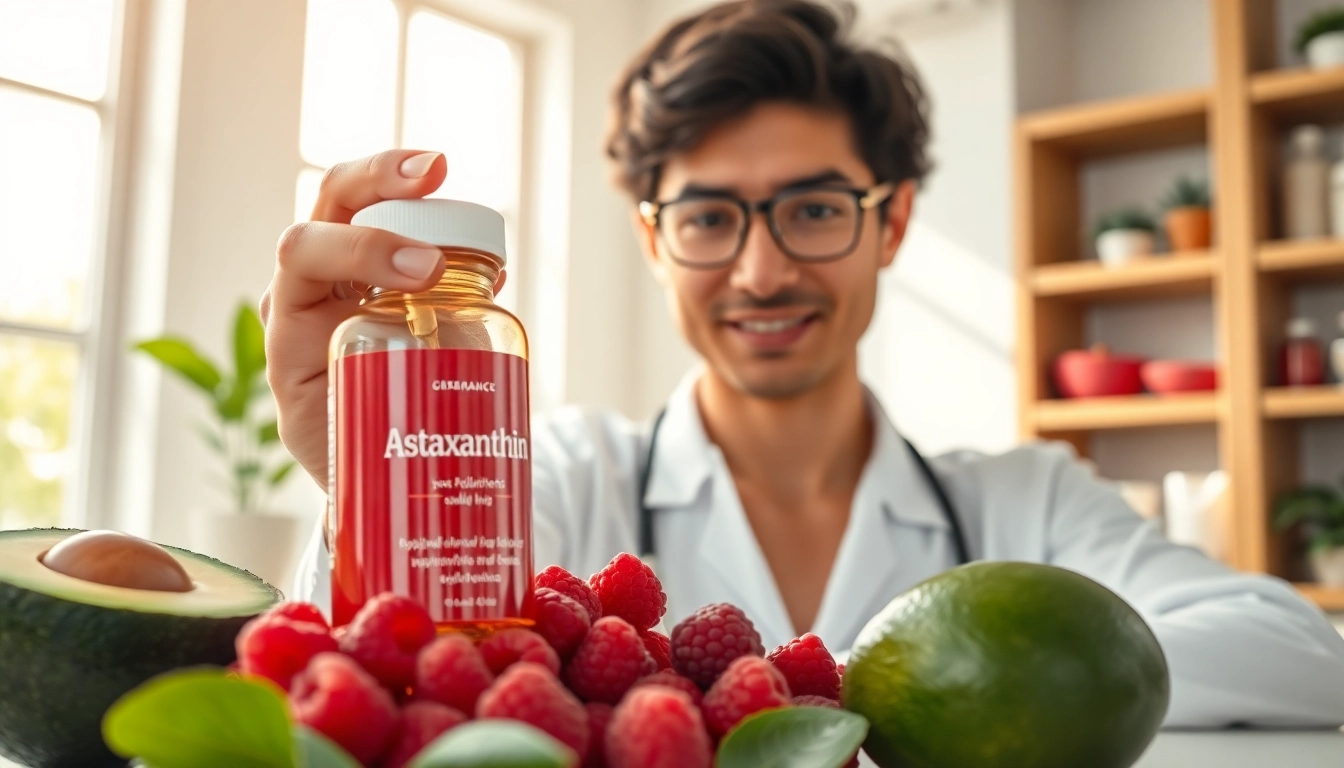
In the realm of dietary supplements, microalgae astaxanthin has emerged as a powerful natural antioxidant recognized for its numerous health benefits. Derived from certain species of microalgae, this carotenoid compound is renowned for its vibrant red pigment and potential health-enhancing properties. As more individuals seek holistic approaches to wellness, understanding the science and benefits of astaxanthin becomes essential for those looking to enhance their nutrition and overall well-being.
What is Microalgae Astaxanthin?
Microalgae astaxanthin is a carotenoid pigment produced by microalgae (primarily Haematococcus pluvialis), which are tiny, photosynthetic organisms found in oceans, freshwater lakes, and soils. Unlike other carotenoids, such as beta-carotene, astaxanthin is renowned for its exceptional antioxidant capabilities—the ability to neutralize free radicals in the body, thus protecting cells from oxidative stress. This compound is not only responsible for the pink coloration in salmon, shrimp, and other seafood, but it also plays a pivotal role in enhancing the health of the organism that produces it, particularly under stress conditions like high UV radiation or nutrient deprivation.
The Science Behind Astaxanthin's Benefits
The effectiveness of microalgae astaxanthin can be attributed to its unique molecular structure, which allows it to cross biological membranes and exert its antioxidant effects in various systems throughout the body. Numerous studies suggest that astaxanthin may support skin health, enhance exercise performance, and contribute to cardiovascular health. By scavenging reactive oxygen species (ROS), astaxanthin helps maintain homeostasis and can reduce inflammation, making it a valuable addition to both athletic regimens and daily health practices.
How Microalgae Differs from Other Sources
While astaxanthin can also be sourced from certain fish (like salmon and trout) and synthetic processes, microalgae provides a plant-based and sustainable alternative. This natural source ensures a high concentration of astaxanthin without the contaminants often found in animal sources, such as heavy metals or environmental pollutants. Additionally, cultivating microalgae for astaxanthin production promotes environmental sustainability, making it a preferred choice for those seeking eco-friendly dietary supplements.
Health Benefits of Microalgae Astaxanthin
Astaxanthin's growing popularity is largely due to its impressive array of health benefits, making it a sought-after ingredient in nutritional supplements and skincare products. As researchers continue to uncover its potential, the following benefits have emerged as particularly noteworthy.
Antioxidant Properties and Their Impact
Astaxanthin is often hailed as one of the most potent antioxidants available. Studies indicate that it is 6000 times stronger than Vitamin C, making it a powerful ally in the fight against oxidative stress. This potency helps reduce the risk of chronic diseases related to inflammation and oxidative damage, including heart disease and cancer. Furthermore, its ability to enhance the immune response can lead to improved overall health and resilience against illnesses.
Potential Effects on Skin Health
Research shows that microalgae astaxanthin can provide significant protective benefits for the skin. By reducing sun damage and enhancing skin elasticity, astaxanthin may slow the visible effects of aging. Clinical studies indicate that regular intake can improve skin hydration, reduce the appearance of fine lines, and promote a more even skin tone. This makes it an excellent addition to both dietary and topical beauty regimens.
Improvement in Athletic Performance
Athletes and fitness enthusiasts are increasingly recognizing the performance-enhancing properties of astaxanthin. By reducing muscle soreness and improving recovery times, studies suggest that astaxanthin can increase endurance and enhance physical performance. Its ability to reduce lactic acid build-up during exercise allows for prolonged exertion, making it an invaluable supplement for athletes aiming to push their limits.
Incorporating Microalgae Astaxanthin into Your Diet
Incorporating astaxanthin into your daily routine can be done easily, whether through dietary sources or supplements. Here’s how to make the most of this powerful antioxidant.
Best Food Sources and Supplements
While microalgae astaxanthin is best known as a supplement, certain foods can also provide it. Wild-caught salmon, shrimp, and crayfish are rich in astaxanthin due to their diets consisting of microalgae. For those who prefer a vegetarian or vegan option, high-quality astaxanthin supplements derived from microalgae offer a potent alternative without the need for animal products. Always opt for reputable brands to ensure quality and purity.
Easy Recipes for Daily Use
Incorporating astaxanthin into daily meals can be enjoyable and straightforward. Here are a few recipe ideas:
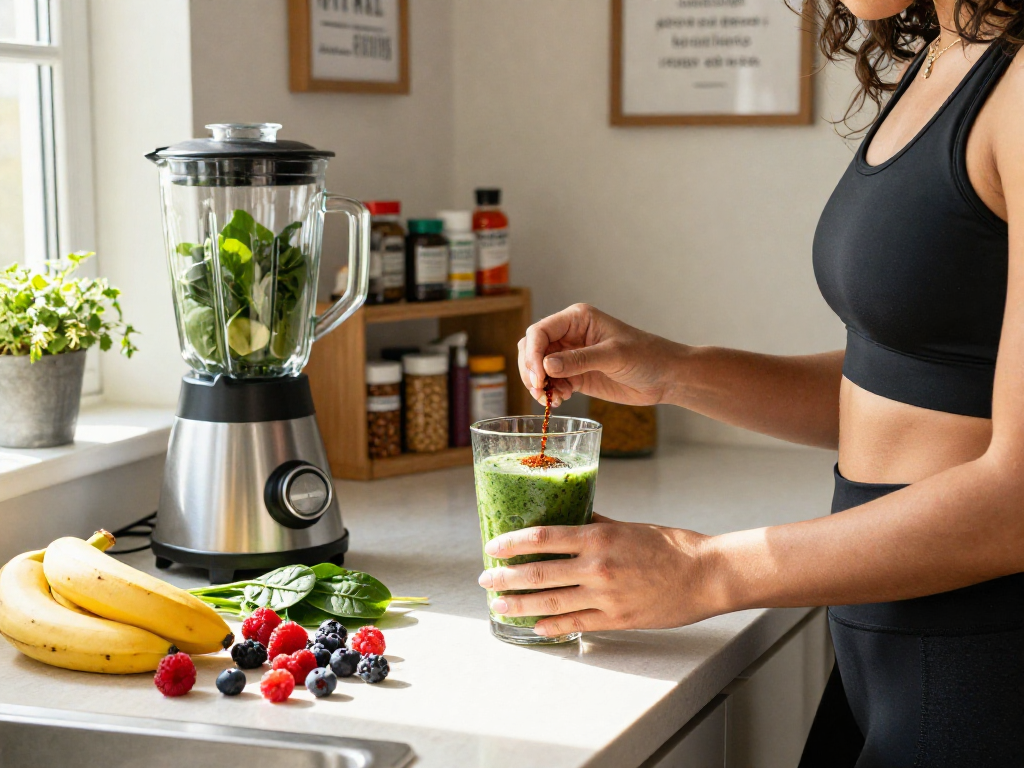
- Astaxanthin Smoothie: Blend together spinach, a banana, a cup of your preferred nut milk, and a scoop of astaxanthin powder for a nutrient-packed morning boost.
- Salmon Salad: Toss grilled wild salmon with mixed greens, cherry tomatoes, and a dressing made from olive oil and lemon juice to create a delicious meal rich in astaxanthin.
- Astaxanthin-Infused Energy Bites: Combine dates, nuts, cocoa powder, and a dash of astaxanthin powder to create healthy energy bites perfect for post-workout recovery.
Dosage Recommendations for Optimal Results
To experience the benefits of microalgae astaxanthin, a typical daily dosage ranges between 4 mg to 12 mg for most adults. It’s advisable to consult with a healthcare professional before starting any new supplement, particularly for individuals with pre-existing health conditions or those taking medications. As always, ensure to purchase from trusted brands to guarantee the efficacy and safety of the product.
Addressing Common Misconceptions
Despite the growing awareness around microalgae astaxanthin, several misconceptions linger. Let's clarify them for a better understanding.
Is Microalgae Astaxanthin Safe for Everyone?
Microalgae astaxanthin is generally considered safe for most individuals. However, those with specific allergies, particularly to seaweed or seafood, should exercise caution. Pregnant or breastfeeding women should consult a physician prior to consumption to ensure safety for both mother and child.
Can it Replace Other Nutritional Supplements?
While microalgae astaxanthin offers a wide range of benefits, it is not a one-size-fits-all solution and should not replace a balanced diet or other necessary supplements. It is best utilized as part of a comprehensive approach to health, which includes a varied diet rich in fruits, vegetables, and whole grains.
Understanding Allergies and Side Effects
While side effects are rare, potential reactions may include gastrointestinal symptoms such as stomach upset or discoloration of stools. If you experience any adverse effects, it’s important to discontinue use and consult a healthcare professional.
Future Trends in Microalgae Astaxanthin Research
As interest in natural supplements continues to grow, astaxanthin research is rapidly expanding. Here are some promising future trends as we approach 2026.
Emerging Studies and Breaking News for 2026
New studies are constantly emerging, exploring the potential applications of astaxanthin in various health domains including neuroprotection, cardiovascular health, and metabolic syndrome. Expect to see more clinical trials aimed at understanding the full range of benefits this powerful antioxidant can provide. Researchers are also investigating its effects on cellular aging, which could revolutionize how we approach longevity.
Innovative Ways to Utilize Astaxanthin
Beyond supplementation, innovations in food science are paving the way for astaxanthin’s incorporation into functional foods and beverages. We may see new products such as astaxanthin-enriched energy drinks, snacks, and even beauty products that harness its antioxidant properties for improved skin health.
Where to Find Reliable Information and Resources
As research progresses, it is crucial to stay informed about developments in microalgae astaxanthin. Reputable health and wellness websites, scientific journals, and trusted nutritional guides are reliable sources for the latest information. Engaging with communities focused on health, particularly those emphasizing holistic and natural approaches, can also provide valuable insights.
What are the potential health benefits of microalgae astaxanthin?
Microalgae astaxanthin offers a myriad of health benefits, including powerful antioxidant properties, skin health enhancement, and support for athletic performance. Its ability to combat oxidative stress plays a significant role in promoting overall health.
How can I incorporate microalgae astaxanthin into my lifestyle?
Incorporating astaxanthin into your lifestyle can be achieved through dietary sources like salmon or supplements derived from microalgae, as well as easy recipes that integrate the compound into daily meals.
Is microalgae astaxanthin suitable for vegetarians or vegans?
Yes, microalgae astaxanthin is vegan-friendly when sourced from microalgae, making it a suitable option for those who avoid animal products.
Are there any side effects associated with microalgae astaxanthin?
While side effects are uncommon, they may include gastrointestinal disturbances or discoloration of stools. Consultation with a healthcare professional is advisable for individuals experiencing adverse reactions.
What trends can we expect in astaxanthin research by 2026?
Research trends indicate a growing emphasis on understanding astaxanthin’s role in various health aspects, including neuroprotection and cellular aging, as well as its incorporation into functional foods and beverages.