
Understanding Bed Bugs: The Hidden Threat
Bed bugs have emerged as a significant public health concern, primarily due to their ability to reproduce rapidly and hide effectively within homes and commercial establishments. The small, elusive pests are often undetected until it’s too late, making their removal a paramount issue for many households. Given the rising rates of infestations, especially in urban areas like Milwaukee, understanding these pests, their behavior, and the best strategies for bed bug removal is essential. When exploring options, bed bug removal services can provide comprehensive insights and solutions tailored to your needs.
What are Bed Bugs and How Do They Reproduce?
Bed bugs (Cimex lectularius) are small, wingless insects that feed on the blood of humans and animals. They are typically reddish-brown, oval-shaped, and about the size of an apple seed. Bed bugs reproduce quickly; a female can lay up to 500 eggs in her lifetime, with eggs hatching in about 7 to 10 days under optimal conditions. The young, known as nymphs, undergo several molts before reaching adulthood, requiring a blood meal at each stage. This rapid reproduction cycle is a key reason why infestations can escalate quickly if not managed promptly.
Signs of an Infestation: How to Identify Bed Bugs
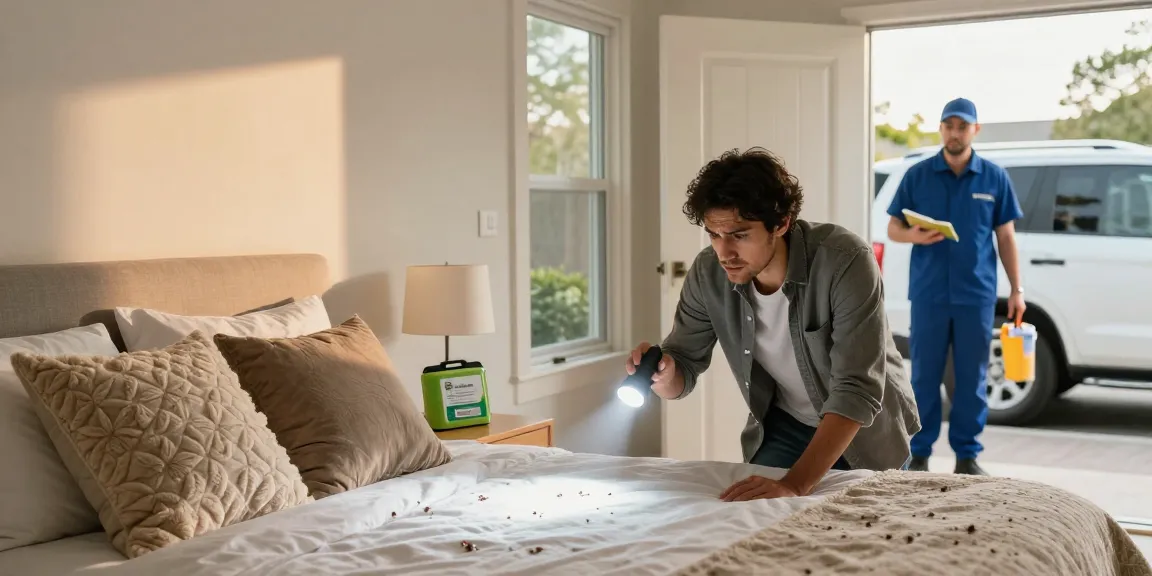
Identifying a bed bug infestation can be tricky, as they tend to hide in small crevices and only come out at night to feed. Common signs include:
- Itchy welts on the skin, often in a line or cluster.
- Small blood stains on bedding or sheets.
- Dark spots of bed bug excrement on linens and furniture.
- Presence of shed skins or egg casings in hidden areas.
Vigilance is key; regular inspections can help in early detection and more effective control of bed bug populations.
The Psychology of Bed Bug Removal: Client Concerns
Dealing with a bed bug infestation can be stressful and embarrassing for many clients. The stigma surrounding these pests often leads to anxiety, particularly regarding the fear of judgment from others. Additionally, the thought of chemical treatments can worry those conscious of environmental impacts or health effects. This underscores the importance of transparent communication from exterminators, which can help alleviate concerns and foster trust between clients and service providers.
Effective Bed Bug Removal Strategies
There are several strategies for effective bed bug removal, each varying in approach and effectiveness. A comprehensive understanding of these methods can empower homeowners to make informed decisions about their pest control options.
Overview of Chemical and Heat Treatments
Professional bed bug extermination typically involves chemical treatments, heat treatments, or a combination of both. Chemical treatments involve the application of insecticides that target all life stages of bed bugs, providing a residual barrier against re-infestation for up to 120 days. On the other hand, heat treatments utilize high temperatures to eliminate bed bugs at all life stages, including eggs, without the use of chemicals. This method is particularly popular due to its environmentally friendly approach and effectiveness.
Step-by-Step Guide to DIY Bed Bug Control
While professional services are often the most effective way to eliminate bed bugs, some homeowners may prefer a DIY approach. Here’s a simple guide:
- Declutter: Remove unnecessary items from your space, especially around sleeping areas.
- Vacuum: Thoroughly vacuum all carpets, floors, and furniture. Dispose of the vacuum bag immediately.
- Wash and dry: Wash bedding and clothing in hot water and dry at high heat for at least 30 minutes.
- Seal cracks: Use caulk to seal any cracks and crevices where bed bugs could hide.
- Apply diatomaceous earth: Sprinkle food-grade diatomaceous earth in suspected infested areas to dehydrate and kill bed bugs.
It’s important to note that while DIY methods can help control small infestations, they usually do not eliminate bed bugs entirely, hence professional intervention is recommended for larger problems.
When to Call Professionals for Bed Bug Removal
If you notice multiple signs of bed bugs, or if DIY efforts fail, it’s time to call a professional. Experts have access to commercial-grade insecticides and advanced techniques such as heat treatments or K9 inspections for early detection. Moreover, they can offer a comprehensive treatment plan tailored to the severity of the infestation.
The Importance of Professional Bed Bug Extermination
Professional extermination is crucial for complete bed bug removal. The complexities of bed bug biology and their resilience make standard treatments less effective.
Why Expertise Matters in Bed Bug Removal
Choosing experienced pest control professionals is essential, as they bring the knowledge and tools needed to effectively combat bed bugs. Professionals are trained to assess the situation accurately, implement the most effective treatment strategies, and follow up to ensure complete eradication.
Case Studies: Successful Extermination Scenarios
Numerous success stories highlight the effectiveness of professional extermination. For instance, a recent case involved a Milwaukee apartment complex where a multi-step approach combining heat and chemical treatments led to a total eradication of bed bugs within three weeks. Regular follow-ups and tenant education played a critical role in maintaining a pest-free environment.
Discreet and Environmentally Friendly Solutions
Many exterminators now offer discreet services, using unmarked vehicles and confidential treatment methods to protect client privacy. Moreover, eco-friendly solutions such as heat treatments are gaining popularity, minimizing the chemical footprint while ensuring thorough extermination.
Preventing Future Infestations: Best Practices
Once you’ve dealt with a bed bug problem, prevention is key to avoiding future infestations. Implementing certain practices can help protect your home.
Daily Habits to Avoid Bringing Bed Bugs Home
Bed bugs are excellent hitchhikers; they often travel through luggage, used furniture, or clothing. To mitigate this risk, develop these habits:
- Inspect second-hand items before bringing them into your home.
- Use protective covers on mattresses and box springs to prevent bed bug entry.
- Check hotel rooms carefully when traveling, paying attention to the bedding and furniture.
How to Inspect Your Home for Bed Bugs Regularly
Regular inspections can help catch infestations early. Focus on areas where bed bugs are often found:
- Seams of mattresses and box springs
- Cracks and crevices in walls and furniture
- Behind headboards and nightstands
- Carpets and areas rugs
Professional K9 inspections can also be useful for early detection.
Understanding Travel Risks: Bed Bug Prevention Tips
Travel is a significant risk factor for bed bug infestations. When staying in hotels, consider the following precautions:
- Keep luggage off the floor and on hard surfaces.
- Inspect bedding and furniture for signs of bed bugs.
- Immediately wash clothing upon returning home, and check luggage before bringing it inside.
The Future of Bed Bug Removal: Innovations and Trends
The pest control industry is continuously evolving, especially in response to the challenges posed by bed bugs. Innovations are enhancing both treatment methods and prevention strategies.
Emerging Technologies in Pest Control
Advancements in technology are shaping pest control strategies. Innovations such as heat treatment alternatives, smart traps, and monitoring devices are becoming more prevalent. These technologies not only improve efficiency but also enhance transparency in the pest removal process.
Regulatory Changes Impacting Bed Bug Management
As awareness of bed bugs grows, government regulations are also evolving. Expect new guidelines that mandate more rigorous inspections and reporting in commercial settings. These changes will help ensure that infestations are handled swiftly and effectively.
What to Expect in the Pest Control Industry in 2026
By 2026, we anticipate greater integration of technology in pest control, with AI-driven solutions for monitoring and detecting infestations. Additionally, there will be an increased emphasis on eco-friendly pest control solutions as consumer demand rises for sustainable options.
What are the most common methods for bed bug removal?
The most common methods for bed bug removal include chemical treatments, heat treatments, and integrated pest management approaches. Professionals may often combine strategies for the best results.
How can I tell if I have bed bugs?
Signs of a bed bug infestation include itchy welts on the skin, dark spots of excrement, blood stains on linens, and the presence of shed skins or egg casings.
Are DIY methods effective for bed bug removal?
While DIY methods such as vacuuming and heat treatment can help manage small infestations, they are often insufficient for complete eradication. Professional intervention is frequently necessary for larger infestations.
How can I prevent bed bugs from returning?
To prevent bed bugs from returning, practice vigilance in inspecting second-hand items, keeping living spaces clutter-free, and maintaining proper cleaning habits.
What should I do if I find bed bugs while traveling?
If you discover bed bugs while traveling, notify hotel management immediately, inspect your luggage upon return, and wash all clothing in hot water before entering your home.