
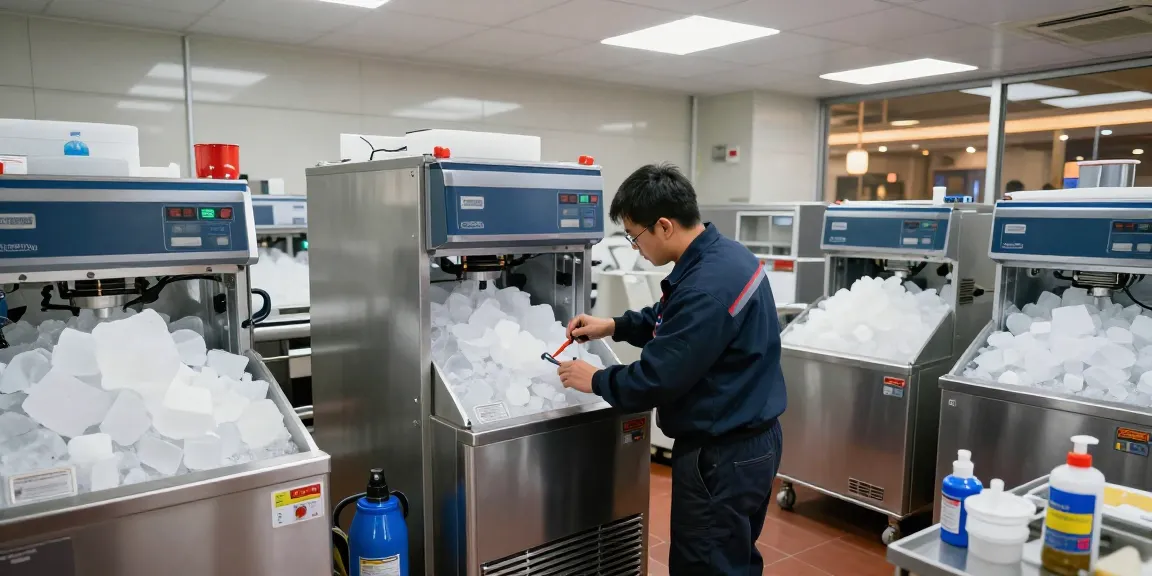
Understanding Common Issues in Commercial Ice Machines
When the ice machine at your restaurant or hotel malfunctions, it can significantly disrupt your operations. Not only does it impact the quality of drinks served, but it can also reflect poorly on your establishment’s standards. As a specialized provider of Commercial Ice Machine Repair, we understand the urgency that comes with these machines breaking down. This article will delve into common problems faced by commercial ice machines, helping you identify signs that you need professional repair services.
What Are the Signs You Need Commercial Ice Machine Repair?
Commercial ice machines typically exhibit several warning signs when they require repair. Recognizing these early can save you from complete breakdowns and costly repairs:
- No Ice Production: If your ice machine is not producing any ice, it could be due to a variety of issues, including a faulty water supply or malfunctioning internal components.
- Low Ice Output: Machines that are producing ice but at a reduced rate can signal serious issues such as scale buildup or a failing compressor.
- Poor Ice Quality: Ice should be clear and hard. If your ice appears cloudy or has a strange taste, it may be contaminated or improperly filtered.
- Leaks: Water pooling around the machine can indicate problems with hoses, fittings, or the water supply itself.
- Frequent Short-Cycling: If your machine runs inefficiently, constantly shutting off and restarting, it could be overworking due to dirty components.
- Power Issues: Problems with the machine powering on can signal electrical issues that require immediate attention, such as electrical shorts or blown fuses.
Common Problems with Ice Production
Understanding the common issues that lead to poor ice production can better equip you to address them before they escalate:
- Water Supply Issues: Blockages or malfunctions in the water supply line can prevent your machine from accessing the water it needs to operate efficiently.
- Scale Buildup: Calcium deposits can form over time, resulting in clogged lines and reduced efficiency.
- Temperature Fluctuations: If the surrounding environment is too warm, your machine may struggle to freeze the water quickly enough, leading to inferior ice quality.
- Faulty Thermostats: A malfunctioning thermostat can cause the machine to underperform, affecting both ice quality and the overall cycle time for production.
Impact of Poor Ice Quality on Business
Poor quality ice can affect your business in several ways. It can tarnish the reputation of your establishment, leading to less customer satisfaction and reduced sales. In food service industries, the ice quality is often a reflection of hygiene and standards. Therefore, ensuring your ice machine functions optimally is crucial for maintaining your business’s integrity.
Diagnosing Ice Machine Problems: A Step-by-Step Guide
Diagnosing problems with your commercial ice machine requires a systematic approach. This sequence can help you identify and address issues efficiently:
Conducting Effective Troubleshooting Techniques
Start by gathering information about the symptoms displayed by your machine. Engage in a thorough inspection, focusing on:
- Checking the power source and ensuring that the machine is plugged in properly.
- Inspecting the water line for any visible damage or blockages.
- Cleaning visible components such as the condenser coils and filters.
- Monitoring the ice production cycles to determine efficiency.
Tools and Equipment for Diagnostics
Using the right tools can greatly enhance your troubleshooting efforts. Essential diagnostic tools include:
- Multimeter for checking electrical connections and voltage.
- Thermometers to monitor the temperatures of key components.
- Manifold gauges to assess refrigerant pressures.
- Cleaning tools to remove scale buildup and debris.
When to Call a Professional for Repairs
While some issues can be handled with a DIY approach, certain situations necessitate professional intervention. If you encounter any of the following, it’s time to call an expert:
- Repeated breakdowns despite repairs.
- Electrical problems or frequent power surges.
- Severe leaks that could cause property damage.
- Persistent ice quality issues that impact your business.
Commercial Ice Machine Maintenance Best Practices
Regular maintenance is key to the longevity and efficiency of your commercial ice machine. Implement these best practices to ensure optimal functioning:
Routine Cleaning and Sanitization Procedures
Cleaning the machine regularly is essential for preventing scale buildup and contamination:
- Schedule monthly cleaning sessions to descale components and sanitize all parts that come into contact with water and ice.
- Use food-safe cleaners and cleaning agents to ensure hygiene standards.
- Disinfect water filters as part of routine checks to maintain ice quality and taste.
Importance of Regular Inspections
Conducting regular inspections allows you to catch potential issues before they become significant problems. Inspect the following:
- Water supply lines for leaks or blockages.
- Electrical connections to spot any signs of wear or damage.
- Ice output and quality to ensure consistency.
Choosing the Right Water Filtration Systems
Water quality plays a crucial role in ice production. Investing in a good filtration system can:
- Improve ice clarity and taste.
- Reduce scale buildup in your machine.
- Enhance the efficiency of your ice production process.
Evaluating Repair Costs vs. Replacement Value
When your ice machine requires repairs, weighing the costs against replacement options is essential. Understanding this balance can help you make informed decisions about repair versus replacement.
Understanding Average Repair Pricing for Ice Machines
The cost to repair a commercial ice machine can vary widely, typically ranging from $200 to $700 depending on the issue. Simple fixes, such as cleaning and descaling, usually fall on the lower end of the spectrum, while complex problems like compressor replacements can be significantly more expensive.
When to Replace vs. Repair: Key Indicators
Making the choice between repair and replacement can be challenging. Consider the following factors:
- If repair costs exceed 50% of the cost of a new machine, it often makes sense to invest in new equipment.
- Assess the age of your current machine—equipment that is near the end of its expected lifespan may not be worth costly repairs.
- Consider how often repairs have been made. Frequent breakdowns may indicate it’s time for a replacement.
Cost Benefits of Preventive Maintenance Services
Preventive maintenance can reduce the likelihood of major repairs, ultimately saving you money over time. Consider these benefits:
- Regular check-ups can extend the lifespan of your equipment.
- Scheduled maintenance can be more affordable than unexpected repairs.
- Maintained machines operate more efficiently, saving on energy costs.
Future Trends in Commercial Ice Machine Technology
The commercial ice machine industry is evolving rapidly. Staying updated on trends can help you choose the best equipment and maintenance practices moving forward.
Innovative Features in 2026 Ice Machines
New technology promises improvements in efficiency, ease of use, and maintenance. Some trends to watch for in 2026 include:
- Smart technology integration, allowing for remote diagnostics and monitoring.
- Energy-efficient designs that reduce environmental impact.
- Modular designs that allow for easier upgrades and replacements of specific components.
Eco-Friendly Alternatives and Energy Efficiency
As businesses strive to become more environmentally friendly, many are turning to eco-conscious ice machines that decrease water and energy usage. Consider machines that utilize:
- Recyclable materials in their manufacturing process.
- Energy recovery systems for improved efficiency.
- Advanced filtration to minimize water waste.
Predictions for the Future of Ice Machine Repairs
As technology evolves, the repair landscape is likely to shift as well. Expect more predictive maintenance models that utilize AI and machine learning to foresee issues and optimize performance. This technology may lead to:
- Fewer emergency repairs due to proactive system monitoring.
- Increased lifespan of machines with timely interventions.
- Better resource allocation through data analysis, helping businesses budget effectively for repairs and maintenance.
What is the average cost for Commercial Ice Machine Repair?
The average cost for Commercial Ice Machine Repair can range between $200 to $700, varying based on the complexity of the issue at hand.
How often should I service my commercial ice machine?
It’s recommended to schedule maintenance services quarterly to ensure optimal performance and longevity of your ice machine.
Do I need specialized training to repair ice machines?
Basic troubleshooting can often be performed with minimal training, but complex repairs should be left to certified professionals who understand the specific systems of different machine brands.
Can I perform regular maintenance on my own?
Some basic maintenance tasks can be undertaken by staff, such as cleaning filters and sanitizing components, but more complex issues require expert technicians.
What should I do if my ice machine won’t power on?
If your machine won’t power on, first check the power supply and fuses. If these are functioning correctly, it’s advisable to call a professional for a thorough diagnosis.