Understanding the Basics of ai Image Detectors
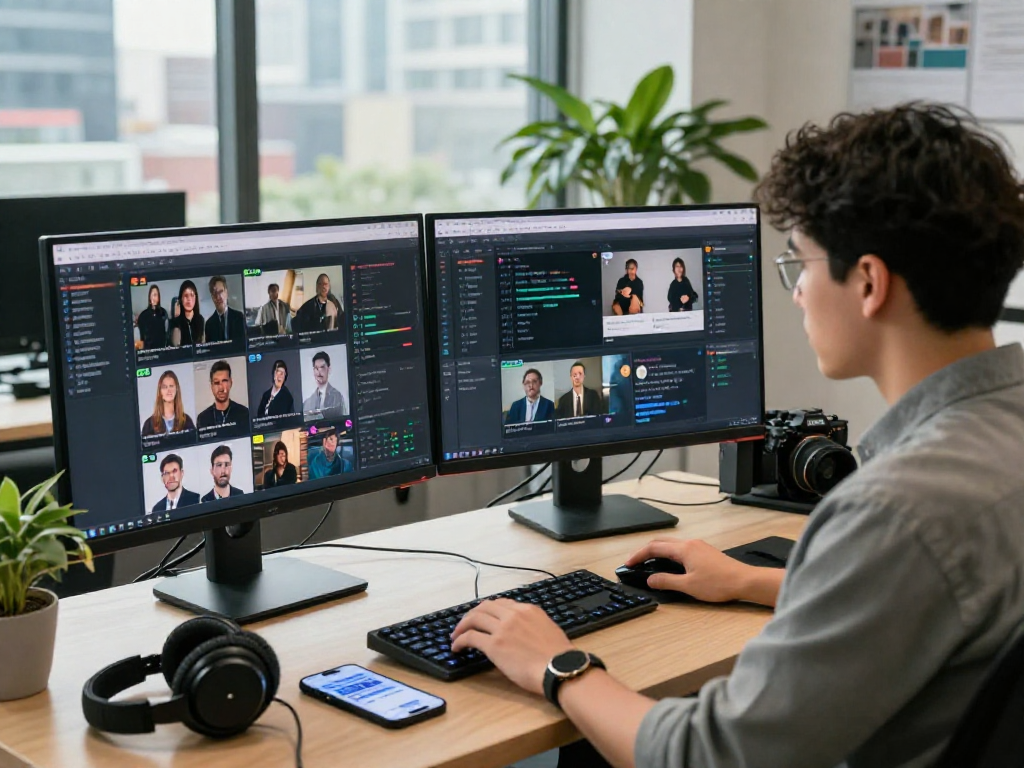
As digital content proliferation continues, ensuring safety and integrity within online platforms has never been more critical. An ai image detector serves as a fundamental tool that leverages advanced algorithms to scrutinize and moderate visual media. By employing sophisticated techniques, these detectors help identify harmful content, including explicit imagery, hate symbols, and other inappropriate material that could jeopardize user safety.
What is an ai Image Detector?
An ai image detector is a software application that utilizes artificial intelligence to analyze image content for various types of moderation. This technology performs tasks such as detecting nudity, violence, and manipulated or generated images. The core functionality rests on training models with extensive datasets to recognize patterns indicative of inappropriate or harmful content. With the continuous enhancements in machine learning and deep learning, these systems have become increasingly capable of providing high accuracy, thus enhancing overall content moderation efforts.
How ai Image Detectors Enhance Content Safety
Content safety is a paramount concern for businesses, especially those that thrive in user-generated environments. By integrating an ai image detector into their platforms, organizations can proactively monitor and manage content uploaded by users. This automated system flags inappropriate content in real-time, significantly reducing the likelihood of harmful material remaining visible to the community. Moreover, employing such technology helps maintain compliance with legal standards and community guidelines, safeguarding both users and platforms from potential liabilities.
Key Features of Effective ai Image Detectors
The effectiveness of an ai image detector is determined by several key features, including:
- High Accuracy: Utilizing advanced algorithms to reduce false positives and negatives, ensuring that innocent content isn’t mistakenly flagged.
- Customizable Moderation Rules: Allowing organizations to tailor moderation policies to meet specific community standards and needs.
- Multi-Category Coverage: Supporting a wide array of content types, from NSFW content to hate speech, providing a comprehensive solution.
- Continuous Learning: Implementing adaptive AI that evolves based on new types of threats and content formats.
- Context-Aware Analysis: Enabling differentiation between harmful content and benign imagery through contextual understanding.
Implementing ai Image Detection in Your Organization
For organizations looking to integrate ai image detection, understanding the implementation process is crucial. This involves choosing the right detector, customizing moderation rules, and ensuring seamless integration with existing systems.
Choosing the Right ai Image Detector for Your Needs
Selecting the suitable ai image detector involves assessing your unique organizational requirements, which includes considering factors such as the volume of content, the specific types of content you need to moderate, and your budget. Leading solutions often provide trial periods, allowing businesses to evaluate performance before committing financially.
Setting Up Custom Moderation Rules
Once an ai image detector is chosen, the next critical step is setting up custom moderation rules. This process enables organizations to define what constitutes inappropriate content based on their audience and community standards. By configuring specific rules, businesses can ensure that the moderation process aligns with their values and operational policies.
Integration with Existing Systems and Platforms
Successful integration of an ai image detector into existing platforms requires technical considerations and strategic planning. This includes ensuring compatibility with current content management systems and user interfaces while enabling easy access for moderators to review flagged content. Open APIs and documentation provided by the ai detector service can streamline this integration process.
Maximizing Performance with ai Image Detectors
To achieve optimal results from ai image detection, organizations must focus on maximizing performance through various strategies, including accuracy optimization, regular updates, and monitoring effectiveness.
Optimizing Detection Accuracy and Reducing False Positives
High accuracy is essential for any ai image detector. Organizations can optimize this by providing feedback on detected content, allowing the AI to learn from mistakes. Furthermore, continuously reviewing and refining moderation rules helps improve performance, ensuring that the system adapts to the nuances of specific content.
Regular Updates and Model Training
AI models require regular updates to remain relevant in a rapidly evolving digital landscape. Organizations should engage in periodic retraining sessions to incorporate new data and address emerging threats, ensuring the ai image detector maintains its efficiency over time.
Monitoring Performance Metrics and Effectiveness
Monitoring the effectiveness of an ai image detector involves tracking metrics such as detection rates, false positives, and user feedback. Analyzing these metrics can provide insights into areas for improvement and lead to informed decisions about adjustments to moderation strategies.
Real-World Applications of ai Image Detectors
Several industries benefit greatly from implementing ai image detectors, showcasing their versatility and effectiveness in enhancing content safety.
Case Studies of Successful Implementations
One notable example is a popular social media platform that integrated an ai image detector to manage user-generated content. After implementing this technology, the platform experienced a significant decrease in reported incidents of inappropriate content, along with improved user trust and engagement metrics.
Industry-Specific Use Cases for ai Image Detection
Different industries employ ai image detectors uniquely tailored to their operational landscapes. For instance:
- Gaming: Moderating in-game content to prevent harmful imagery and maintain a safe community.
- E-commerce: Screening product images for compliance with advertising standards and brand safety.
- Social Media: Ensuring user-uploaded images do not violate community guidelines, enhancing user experience.
Lessons Learned from Failures and Best Practices
Learning from failures is beneficial. Some organizations rushed the implementation of ai image detectors without adequate training or feedback loops, resulting in high false positive rates. Best practices suggest a gradual rollout, incorporating user feedback in the early stages to benchmark effectiveness and make necessary adjustments.
The Future of ai Image Detection Technology
As technology continues to evolve, the landscape of ai image detection is expected to advance significantly, facing new challenges and opportunities for improvement.
Emerging Trends and Innovations in ai Image Detection
Current trends indicate a shift towards using AI that not only detects harmful content but also understands context and sentiment. Innovations such as facial recognition capabilities and deeper contextual analysis will enable ai image detectors to provide even higher accuracy and relevance in their assessments.
Preparing for Evolving Content Moderation Challenges
Organizations must remain agile, prepared to adapt their moderation strategies as new forms of media and types of harmful content emerge. Continuous investment in training and refinement of ai models will be critical to combating increasingly sophisticated threats.
What to Expect from ai Image Detectors in 2026 and Beyond
By 2026, we can anticipate ai image detectors to become more robust, utilizing advancements in quantum computing and AI research to massively improve processing speed and accuracy. This will likely result in a shift toward real-time moderation capabilities that are more responsive to evolving content trends.
What types of content can ai image detectors analyze?
ai image detectors can analyze a wide variety of content, including but not limited to images containing nudity, violence, hate symbols, and manipulated media. They can also assess video and audio content for harmful speech and behaviors.
How accurate are ai image detectors in identifying harmful content?
The accuracy of ai image detectors can vary by model and training data. However, the industry-leading solutions currently boast accuracy rates exceeding 95%, significantly reducing false positives and enhancing user experience.
Can ai image detectors be customized for specific industry needs?
Yes, ai image detectors are highly customizable, allowing organizations to tailor moderation rules and detection capabilities to fit their unique operational requirements and community standards.
What are common misconceptions about ai image detectors?
A prevalent misconception is that ai image detectors can fully replace human moderation. While they significantly enhance efficiency, human oversight remains crucial to handle nuanced content situations that AI may misinterpret.
How do ai image detectors learn and adapt over time?
ai image detectors utilize machine learning algorithms that improve through feedback loops. By analyzing outcomes from flagged content and user reports, these systems continuously refine their models, becoming more adept at identifying harmful material.