Understanding Flooring LVP: What You Need to Know
Defining Flooring LVP
Flooring LVP, or Luxury Vinyl Plank, is a type of resilient flooring that mimics the look of natural wood, stone, or tile. It comprises multiple layers, including a core layer, a design layer that features a printed image, and a protective wear layer that enhances durability and resistance to scratches, stains, and moisture. This innovative product is designed for both residential and commercial spaces, offering an excellent blend of aesthetics and functionality. By extending modern design to flooring, flooring lvp has become increasingly popular among homeowners and interior designers alike.
Key Benefits of Flooring LVP
One of the primary advantages of flooring LVP is its affordability compared to traditional hardwood or stone flooring. Additionally, its ease of installation can save owners significant labor costs. Moreover, flooring LVP is exceptionally durable, making it perfect for high-traffic areas and households with pets or children. Its resistance to water and humidity also means that it can be used in kitchens and bathrooms without fear of warping or damage. Another key benefit is the variety of styles and designs available, allowing homeowners to match their interior decor seamlessly.
Common Myths about Flooring LVP
Despite its rising popularity, several myths about flooring LVP persist. Firstly, some believe that LVP lacks the authenticity of natural materials. However, advances in printing technology have enhanced the realism of LVP designs. Secondly, there’s a misconception that it is less durable than traditional hardwood. In reality, high-quality LVP can be more durable, particularly in moisture-prone areas. Lastly, some consumers think LVP is harder to maintain than it really is; in fact, simple sweeping and occasional mopping suffice to keep it looking great.
Choosing the Right Style of Flooring LVP
Popular Color Options for Flooring LVP
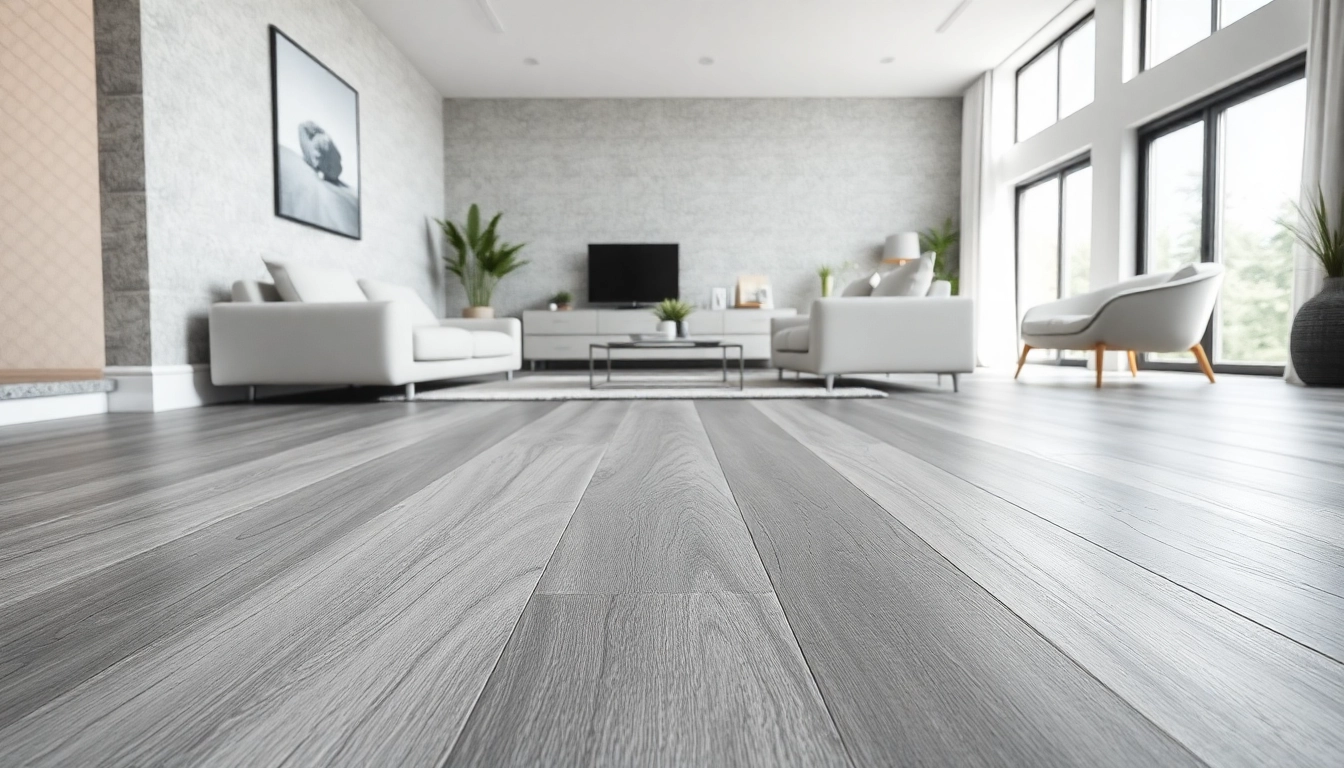
The color palette of flooring LVP is extensive, ranging from light shades like oak and ash to darker hues such as walnut and mahogany. Light colors can create an airy and open feel in a room, while darker tones can add warmth and sophistication. Additionally, gray tones have surged in popularity as they offer a neutral base that complements various furniture styles and color schemes. Ultimately, the choice of color should reflect personal taste as well as the overall atmosphere a homeowner wishes to evoke.
Texture and Finish Variations in Flooring LVP
Texture plays a crucial role in the overall look of flooring LVP. Options include smooth, embossed, and hand-scraped finishes, each providing a unique tactile experience. An embossed surface mimics the texture of real wood or stone, adding depth to the visual appeal. In contrast, a smooth finish lends a more modern and sleek aesthetic. The right finish can significantly impact the character of a room, and choosing one that aligns with the overall home style is essential.
Matching Flooring LVP with Your Home Decor
To achieve a cohesive design, it is vital to match flooring LVP with the existing home decor. For instance, if a home features rustic furniture and décor elements, a distressed or textured LVP can complement that style beautifully. On the other hand, contemporary spaces often benefit from sleek, smooth LVP. Always consider existing color schemes, materials, and design trends to select the right flooring that enhances rather than clashes with your home’s aesthetic.
Installation Guide for Flooring LVP
Preparation Steps for Flooring LVP Installation
Proper preparation is key to ensuring a successful flooring LVP installation. First, it is crucial to measure the space accurately to determine how much material is needed. Next, the subfloor must be clean, dry, and level; any imperfections can cause issues in the future. It is advisable to acclimate the LVP to the room temperature and humidity for at least 48 hours before installation. Depending on the type of LVP chosen (glue-down, click-lock, or loose lay), specific installation guidelines may vary, so consulting the manufacturer’s instructions is essential.
DIY vs. Professional Installation of Flooring LVP
Choosing between DIY and professional installation can significantly impact the project’s success. DIY installation is a viable option for those with a knack for home improvement, thanks to the straightforward installation methods associated with many flooring LVP products. However, for larger or complex installations—including intricate layouts or uneven subfloors—hiring a professional may be the better choice. Professionals can expedite the process and ensure that everything is installed correctly, ultimately saving time and preventing costly mistakes.
Maintenance Tips Post-Installation of Flooring LVP
After flooring LVP is installed, maintaining it is relatively simple. Regular sweeping or vacuuming keeps dirt and debris at bay, while damp mopping with a gentle cleaner ensures that the surface remains free from stains and grime. It is crucial to avoid harsh chemicals or abrasive cleaners, as they can damage the protective wear layer. Additionally, placing rugs or mats near entryways can help minimize dirt tracked onto the flooring, further prolonging its lifespan.
Environmental Impact of Flooring LVP
Eco-friendly Aspects of Flooring LVP
Environmental consciousness is an important consideration in today’s world, and many flooring LVP products come with eco-friendly attributes. Many manufacturers focus on using recycled materials in their products, contributing to reduced waste. Additionally, flooring LVP is often produced in a way that minimizes harmful emissions, making it a safer choice for indoor air quality. Some products also include certifications such as FloorScore or Greenguard, ensuring that they meet stringent environmental standards.
Life Cycle and Sustainability of Flooring LVP
The life cycle of flooring LVP is another distinctive trait that promotes sustainability. When compared to hardwood, which requires extensive resources and time to grow, LVP can be manufactured more efficiently. Moreover, its durability means less frequent replacement is needed, which ultimately reduces the environmental footprint. At the end of its life, many LVP products can be recycled, minimizing landfill contribution and supporting a circular economy.
Choosing Brands with Sustainable Practices
When selecting flooring LVP, it is beneficial to choose brands that prioritize sustainable practices. Researching a company’s production processes, sourcing of materials, and commitment to reducing waste can help consumers make informed decisions. Additionally, supporting brands that participate in environmental initiatives or have certifications linked to sustainability is also worthwhile. By selecting greener options, homeowners can contribute to lessening the environmental impact of their flooring choices.
Frequently Asked Questions about Flooring LVP
What is flooring lvp made from?
Flooring LVP is made from several layers, primarily polyvinyl chloride (PVC), which is a durable plastic. Its layered construction includes a wear layer, design layer, and backing, providing a realistic appearance and resistance to wear.
How long does flooring lvp typically last?
When properly maintained, flooring LVP can last between 15 to 25 years. The longevity can vary based on the quality of the product and the level of foot traffic in the area where it is installed.
Can flooring lvp be installed over existing floors?
Yes, flooring LVP can often be installed over existing floors if the surface is clean, level, and structurally sound. This feature makes it a great option for cost-effective home upgrades.
Is flooring lvp suitable for bathrooms?
Absolutely! Flooring LVP is water-resistant, making it an ideal choice for bathrooms where moisture and humidity can present problems for other flooring materials.
How do I clean and maintain flooring lvp?
Cleansing flooring LVP is simple; regular sweeping or vacuuming removes dirt, while mopping with a damp cloth and a gentle cleaner keeps it spotless. Avoid using abrasive cleaners to ensure its longevity.